Transparent Fishing Line: Inconspicuous Options for Successful Fishing
Transparent angling line has turned into an essential instrument for many anglers seeking to enhance their results on the water. Its ability to blend into various environments minimizes visibility, allowing for a more natural bait presentation. This understated benefit can greatly affect catch rates. However, the choice and maintenance of the proper line require careful consideration. Understanding these nuances may be the solution to transforming an fisherman's journey on the water. What factors should be prioritized?
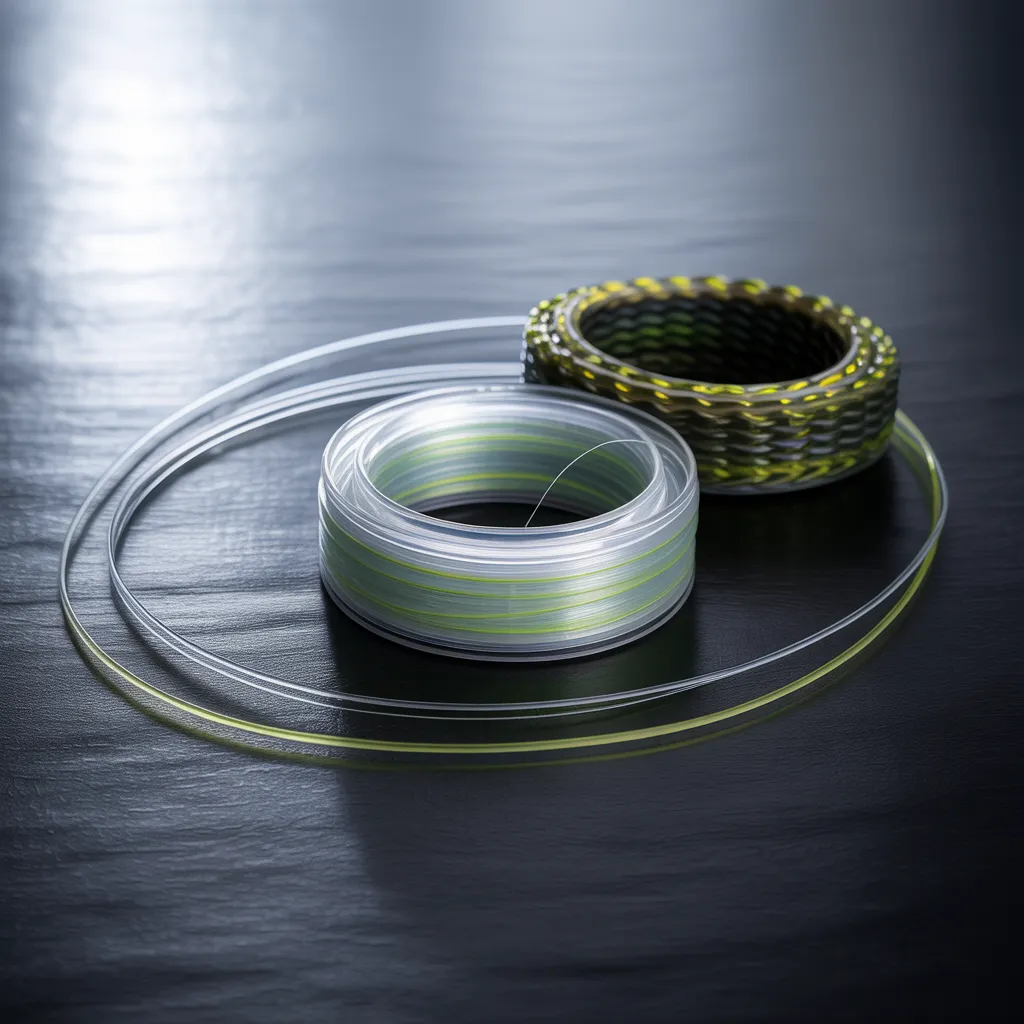
The Merits of Applying Transparent Fishing Line
When fishermen select transparent fishing line, they often benefit from its ability to remain undetected by fish. This feature boosts the likelihood of a successful catch, as fish are less likely to be frightened by visible lines. Transparent lines blend seamlessly with various water environments, whether clear or murky, improving the angler's stealth. Additionally, the use of transparent fishing line can lead to improved presentation of bait, allowing it to appear more natural to fish.
In addition, these cables are normally made from durable materials that resist damage, confirming they can withstand turbulent underwater conditions. Their low visibility also aids in better casting accuracy, as sport fishermen can dedicate attention to technique without worrying about the line's visibility. Ultimately, the merits of translucent fishing cord make it a prized choice for those seeking a more effective and discreet fishing experience.
What's the Best Way to Select Transparent Fishing Line for Your Requirements?
How might an fisherman guarantee they select the suitable transparent fishing line? First, they should consider the line's makeup—monofilament, fluorocarbon, or braid—each offering unique benefits. Monofilament provides stretch and ease of use, while fluorocarbon displays low visibility and resilience. Braid, while not transparent, offers superior robustness and sensitivity.
An angler must assess the line's breaking strength, which should match the species being targeted. A greater breaking strength is crucial for bigger fish, while thinner lines are ideal for smaller species. Additionally, the fishing location plays a key role; transparent water may call for thinner lines for subtlety, while rough terrain may require stronger, more durable options.
Finally, an angler should assess the line's thickness, knot durability, and overall flexibility. By weighing these elements, anglers can assuredly choose the transparent fishing line most appropriate for their specific fishing conditions and techniques.
Suggestions for Appropriately Spooling and Maintaining Your Line
Proper spooling and upkeep of transparent fishing line is crucial for getting the best results and extending longevity. Anglers need to first ensuring their reel is clean and free from debris before spooling. Winding the line onto the reel in the correct direction, corresponding to the reel’s rotation, is key to avoid twists. Keeping tension while spooling prevents loose coils that may cause tangles during use.
Regularly copyrightining for damage and wear is vital for line durability. After each fishing adventure, rinsing the line with fresh water can help remove debris and residue, maintaining its condition. Additionally, storing the line in a dry location away from sun exposure will prevent degradation. Replacing the line periodically, especially after extensive fishing, ensures peak performance and reduces the chance of failure. By adhering to these recommendations, anglers can improve their fishing experiences and extend the life of their transparent fishing line.
Mono and Fluorocarbon Angling Lines
When comparing monofilament and fluorocarbon fishing lines, two key factors surface: durability and strength, alongside visibility and camouflage effects. Monofilament offers increased stretch and resilience, while fluorocarbon delivers superior abrasion resistance and invisibility underwater. Understanding these differences helps in-depth guide anglers select the right line for their conditions for fishing.
Strength And Longevity Comparison
Considering the strength and toughness of monofilament and fluorocarbon fishing lines brings out distinct advantages for each category. Monofilament lines are recognized for their stretch, offering excellent shock absorption during catches. This quality improves their performance in varied fishing conditions but may increase their susceptibility to abrasion. Conversely, fluorocarbon lines tend to be more rigid and resistant to wear, making them advantageous for environments with sharp rocks or debris. They possess superior knot strength and have lower stretch, which enables quicker hook sets. While monofilament is generally more cost-effective, fluorocarbon's durability and underwater invisibility often justify the additional expense. Ultimately, the choice between the two depends on specific fishing scenarios and personal preferences.
Visibility and Camouflage Effects
The visibility and camouflage effects of monofilament and fluorocarbon fishing lines affect angler success significantly. Monofilament, colored and more visible in water, can discourage wary fish often. Its buoyancy makes it easier for anglers to sense bites typically but may reduce stealth. In contrast, fluorocarbon lines are nearly invisible underwater due to their light refraction properties matching closely that of water. This trait improves concealment, rendering fluorocarbon the preferred option in clear waters or when targeting skittish species. However, the compromise lies in its stiffness, which can impact bait presentation. Ultimately, anglers must take into account these visibility considerations to choose the right line for specific fishing conditions, improving their odds of a successful fishing outcome.
Optimizing Performance With Clear Fishing Line
Deploying clear angling line can dramatically increase the fisherman's success on the water. This type of line provides a distinct superiority by curtailing the visibility of the line to fish, making possible for more natural presentations of baits and lures. Anglers can leverage this aspect to target skittish species that are prone to avoid brightly colored lines.
Furthermore, transparent fishing line functions effectively in multiple water types, blending seamlessly with both clear and murky environments. By implementing quiet tactics, anglers can boost their success of luring fish without spooking them.
Furthermore, the line's fortitude and persistence advance a successful fishing endeavor, enabling anglers to withstand the hurdles of heavy cover and tough species. Overall, employing transparent fishing line facilitates a more discreet technique, ultimately leading to higher catch rates and greater satisfaction during fishing outings.
Typical Blunders When Using Transparent Fishing Line
Many anglers miss important factors when employing clear fishing line, which can diminish their success on the water. One common mistake is selecting the wrong line strength for particular fishing conditions, leading to line snaps or inadequate sensitivity. Also, neglecting to fine-tune drag settings can result in lost catches, because anglers might fail to consider the line's minimal visibility.
One frequent error is omitting to inspect for line knots and tangles, which can impact both appearance and performance. Anglers often downplay the significance of proper knot tying; weak knots can fail easily under pressure.
In addition, utilizing excessively long leaders can hinder casting accuracy and modify the lure's action. Finally, various anglers neglect natural conditions, such as water visibility and brightness levels, which can profoundly influence the line's effectiveness. By evading these pitfalls, anglers can enhance their fishing ventures and increase their success proportions.
Authentic Achievement Narratives From Fishermen Using Clear Line
Success accounts abound among fishermen who have successfully leveraged the benefits of transparent fishing line. One such fisherman, John, documented notably improved catch rates after switching to a high-quality transparent line. He noted that the line's clarity allowed him to fish in highly fished waters where visibility was essential.
Likewise, Sarah, a competitive angler, recounted her experience of utilizing transparent line during a tournament. She ascribed her victory to the stealthy nature of the line, which helped her reel in multiple trophy fish that others had difficulty to catch.
In yet another instance, Mike, an avid fly fisherman, determined that using transparent line bettered his presentations, resulting in more natural movements of his flies. Each of these anglers proved that transparent fishing line can boost fishing success by decreasing visibility and increasing stealth, ultimately producing more rewarding fishing experiences.
Top Frequently Inquired Questions
Is Invisible Fishing Line Appropriate for Saltwater Fishing?
Transparent fishing line can absolutely be used for saltwater angling. Its low visibility helps in avoiding detection by fish, making it a viable choice. However, fishermen should ensure it has acceptable resilience and endurance for saltwater conditions.
What is the Typical Lifespan of Transparent Fishing Line?
Transparent fishing line typically remains serviceable between one to three years, contingent upon factors like sun exposure, water quality, and usage frequency. Consistent inspection and correct storage can extend its lifespan substantially.
Can transparent angling line be used for all type of fish?
Clear fishing line is ordinarily appropriate for various fish species due to its low visibility. Conversely, specific conditions and fish categories may necessitate modified line properties, making it essential to select suitably for particular fish.
What Represents the Finest Hitch for Translucent Fishing Line?
The optimal knot for transparent fishing line is the Palomar knot, celebrated for its reliability and strength. It ensures a secure connection, limiting the risk of line breakage while sustaining the line's hidden aesthetic during fishing.
What Are the Particular Storage Needs for Clear Fishing Line?
Transparent fishing line requires cool, dry storage away from direct sunlight to prevent deterioration. Storing it in a protective container aids in maintain its strength and performance, ensuring maximum effectiveness during fishing activities and extending its longevity.